Building floorplans provide essential information about the design and layout of an area. For office floorplans, schools, hospitals, and multi-story residences, the amount of information captured in a buildling floorplan is extensive.
Knowing what data to collect, how to create a building floorplan, and how to distribute it in a relevant and intuitive way is critical for providing a meaningful map.
1. Determine Project Scope
The first step is all about planning. The purpose of the floorplan will drive the information requirements. There are several types of building floorplans, and each has its own set of significant attributes:
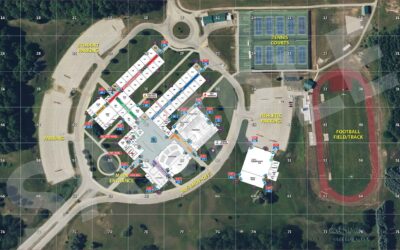
- Site Plan or Campus Map: This is a type of geographical map that includes simplified building layouts, access roads, parking lots, utility connections, and landscaping details.
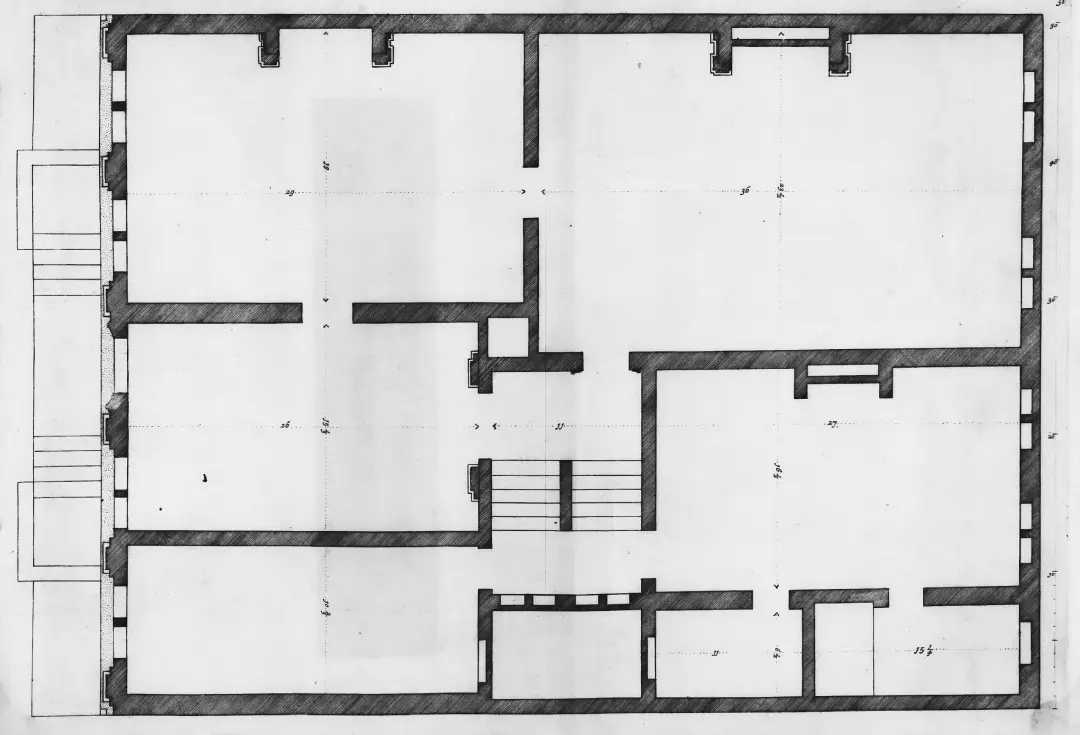
- Internal Floor Plan: This is a top-down view of a building that details rooms, walls, doors, windows, staircases, and other interior features.
- Structural Plan: This is an architectural map that details the load-bearing elements of a building for construction purposes.
- Fire Safety Plan: This is a simplified floor plan map that provides detailed information about fire exit routes and safety equipment. Some areas also require severe weather maps.
- Security Plans: These are campus maps that help first responders coordinate efforts during a crisis.
Based on the map type, establish the scope of the project: the entire campus, the building, or a single floor of a building. Determine what features must be noted, such as fire pulls, utility shut-offs, landscaping, security features, and more.
In addition, find out if any building or safety codes apply to your map, and ensure that you are aware of all the information needed to create a code-compliant map.
RELATED: How to Create a Fire Evacuation Map
2. Gather Building Layout Information
This is most likely to be the most time-intensive step: gather all the measurements and dimensions needed to create the building floorplan. Accuracy is critical in this phase, especially if the map is intended to be used for safety or security purposes.
If you do not have experience creating floor plans or campus maps, it is very likely that it will take some trial and error to figure out what measurements support the most efficient map-making process.
3. Draw the Building Floorplan
To create a legible and useful building floorplan, find a good software with built-in standard building layout icons such as doors or stairwells. It may be tempting to use a software that you already know, such as Excel or Canva, but those tools will not support an accurate or precise building floorplan.
For safety maps, it’s important to understand that some icons are universally understood and need to be prominent so that they can easily be found in case of an emergency. This includes fire extinguishers, fire pulls, AED equipment, first aid equipment, and more.
Ensure that your map is code-compliant with any relevant codes that were identified in the first step.
Creating a floorplan can be labor-intensive and may not be as easy as it seems. Seeking the help of a professional service like Building Maps is truly the best way to ensure that your building floorplan performs as intended, especially if the map provides critical safety information during an emergency.
4. Review and Refine
Have any stakeholders review the building floorplan for legibility, clarity and understandability. Ensure that you are prepared for any updates that may be required, such as renovations, expansions, or code changes.
You may need to create multiple versions of your building floorplan based on best practices for proper map orientation. Map orientation is critical for how the human mind interprets a map, and improper orientation is likely to lead to confusion and wrong turns.
A professional map service like Building Maps can easily update and re-orient maps as needed, making this step quick and painless.
5. Submit or Post Building Floorplans
With a finished floorplan, the project is now ready to go. For campus maps or safety maps, this means the maps need to be posted in relevant and useful locations. Typically, maps should be placed in well-lit areas where people are most likely to look for them. This often includes main entryways, stairwells, and areas where exits are not obvious.
For more information, read this related post about Where To Post Emergency Evacuation Maps.
Benefits of Having a Professional Design Your Building Floor Plans
While it can be tempting to DIY your building floorplans, it is likely to be a time-intensive project, with potential for dangerous errors that could slow down egress or emergency response during a crisis.
Think of it like taxes, or like vehicle maintenance. For a very simple tax return or replacing the windshield wiper blades, you can probably do it yourself. But for more complicated projects, someone with extensive experience and the right tools can do it faster, and do it the right way the first time.
For example, at Building Maps, our team uses the latest technology to ensure accurate geometry and measurements. We use advanced reality capture technologies to quickly collect precise and comprehensive measurements for both interior and exterior building information. Our toolset includes 3D laser scanning, photogrammetry, and drones, which capture not only building layout but even emergency asset equipment locations.
Our team is also well-versed in the building and fire codes that apply to commercial and residential buildings, such as NFPA, OSHA, ICC and more. We create maps that are code-compliant and up-to-date with the latest local, state, and federal codes. If code updates require updated maps, we can quickly and easily provide modify your maps with the required changes.
Professional illustrators, like the team at Building Maps, understand the best practices that will make a building floorplan map clear and intuitive, which will help people quickly understand the nearest egress during an emergency. After all, building maps are not just about wayfinding, they’re a required tool that help save lives.
Call Building Maps for Professional Building Floorplans Today
When it comes to building floorplans, it’s important to have accurate and up-to-date information. The consequences of misinformation can range from professional, like a missed job interview, to life-critical, such as confusing exit routes during an emergency.
At Building Maps, we understand that maps aren’t just about wayfinding, they are about saving lives. We are dedicated to creating accurate, intuitive, easy-to-read maps that will help people easily identify critical information no matter what the situation.
For more information, or a quote, please contact us today. If you need building floorplans, you need Building Maps.