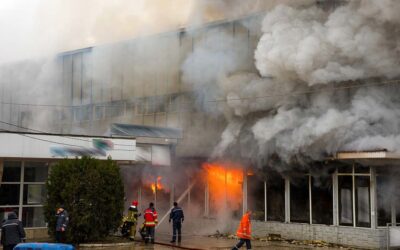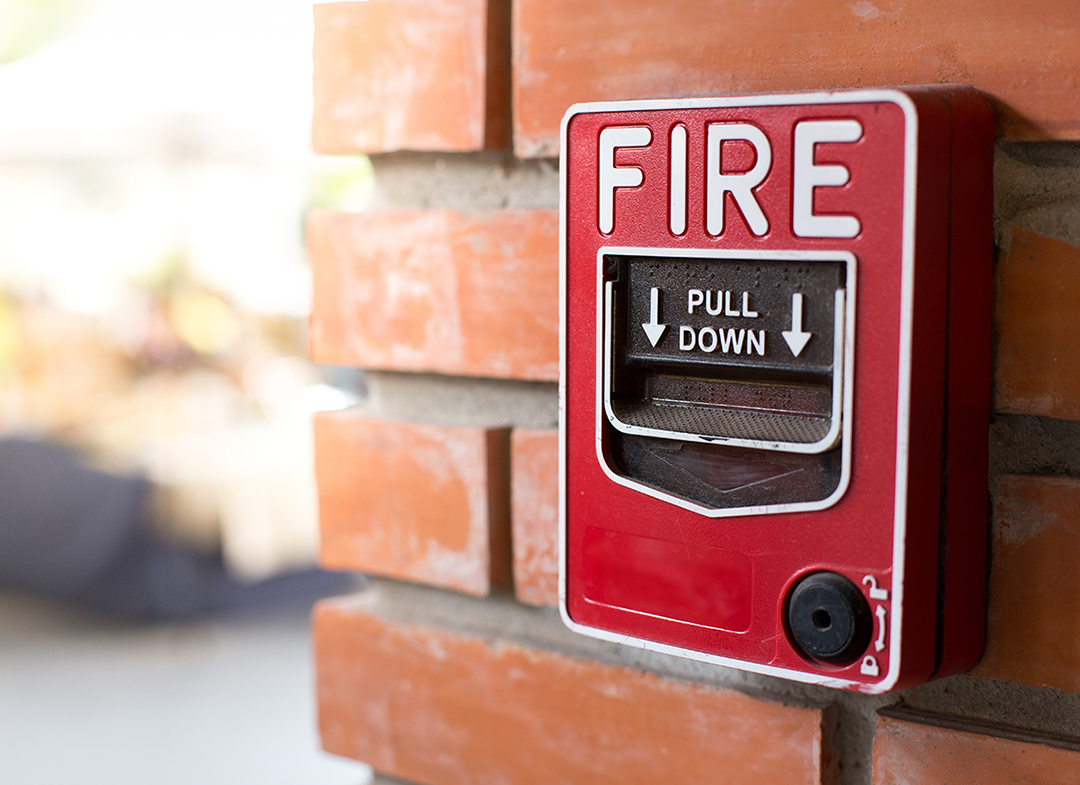
Safe escape from fires and other hazards starts with an accurate building evacuation map. The next step? Making sure everyone in your building knows how to calmly follow these fire escape maps.
And the key to that is practice, practice, practice.
That means the good old-fashioned fire drill, something almost everyone has experienced since at least kindergarten. If your employees, residents or students roll their eyes when the alarm goes off, that’s a good sign — it means finding the way to safety has become routine.
Evacuation drills are part of almost all building emergency action plans, which should describe when drills will be conducted and detail the training for key roles in an emergency.
If these tasks are not practiced, they will be forgotten. And the results could be tragic.
A response to catastrophic loss
Fire drills — in fact, the concept of taking any preventative approaches to fire risk — didn’t really emerge until the Industrial Revolution, according to FireRescue1, a news site for firefighters.
Devastating fires, including the tragic Triangle Shirtwaist Factory fire that killed 146 garment workers in New York in 1911, helped inspire the establishment of fire drills in schools, workplaces and other buildings.
Best practices for evacuation drills will vary by the type of building, who is using it, hours of operation, and other factors. But many of the common practices are familiar from those everyone learned in elementary school:
- An alarm sets actions in motion.
- Assigned staff, sometimes called fire wardens, escort people outside in a calm and orderly fashion, following the emergency evacuation map to a designated assembly area.
- Other assigned staff members check for stragglers.
- Attendance is taken in the assembly area.
- Leaders debrief afterward to discuss what went well and what could be improved.
- – extra space between
It’s not a race, and other considerations
Sooner is always better than later when it comes to emptying buildings.
But the National Fire Protection Association (NFPA) notes that speed is not the only objective of drills. The main purpose is to educate the participants about the safety features of the building, including egress paths and procedures.
NFPA recommends drills be held frequently enough that the procedures become a matter of routine. They also should be held at expected as well as unexpected times of day (buildings with multiple shifts will need to conduct drills around the clock).
It’s a good idea, especially when getting started with fire drills or updating emergency action plans, to make sure employees are familiar with fire escape maps. In addition to ensuring maps are posted at appropriate locations throughout the building, consider sharing copies of the maps before a planned drill.
When feasible, drills should be coordinated with local fire officials and emergency response departments. This is especially important when the activation of a fire alarm automatically notifies local authorities.
Keep in mind the evacuation needs of people with accessibility challenges: Diminished abilities in mobility, vision or hearing could hinder the ability to evacuate and may require assistance from a designated team member.
Of course, no emergency ever follows a predictable course. That’s why it might be worthwhile to consider adding variables to the evacuation drill — an unexpectedly closed exit, for example — to inspire adaptable thinking by your team.
Three steps to effective drills
The U.S. Department of Labor identifies three types of drills for workplaces. These approaches can apply to any setting:
-
Walkthrough:
A slow and analytical examination of the routes on fire evacuation maps. This is a chance to practice techniques and discuss how to adapt to surprises, such as a blocked exit or helping someone who is injured. -
Scheduled:
Methodical practice for evacuation in a slow and controlled environment. This is a chance to practice evacuating people with disabilities. -
Unannounced:
These must take place only after scheduled drills, so participants are practicing the correct routines. Avoid dates that are emotionally charged, such as Sept.11, and make sure the unannounced drills are not a surprise to team members with key roles in the evacuation.
Results may vary
An essential element of every fire drill is the evaluation afterward.
Some of the questions will be obvious: Did everyone get out? How long did it take? However, a thorough evaluation will go deeper, and feedback should be collected from people with assigned roles to see what they observed.
Did our evacuation routes make sense? Did people understand where they needed to go? Did everyone follow their assigned roles? Where did people struggle? Where could we do better?
And be sure to document everything. The NFPA states: “A written record of each drill is to be completed by the person responsible for conducting the drill and maintained in an approved manner. Included in the documentation should be information such as date, time, participants, location and results of the drill.”
Follow the maps for success
Effective evacuation drills are a key to enabling a calm and safe response to fires or other emergencies. And the key to an effective evacuation drill is an emergency evacuation map that meets codes and provides clear paths to safety.
Current compliant fire evacuation maps keep employees, customers, and visitors safe. Not only do they give clear direction in the event of a fire, but they are helpful during drills to confirm everyone is following the safest egress routes.
If your building evacuation map is not safe, accurate, and current, now is the time to review and update your evacuation maps. True fire safety is a direct result of planning.
At Building Maps, we create maps that consider every element of safety: building layout, building usage, occupancy time, fire codes, and industry best practices. We have the training, experience, and staffing to create and maintain accurate and legible fire evacuation maps.
Make sure your next evacuation drill follows the map to success.