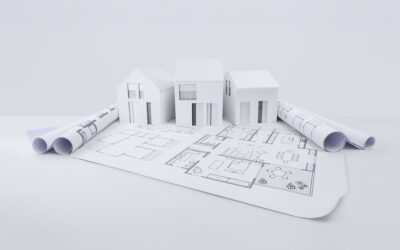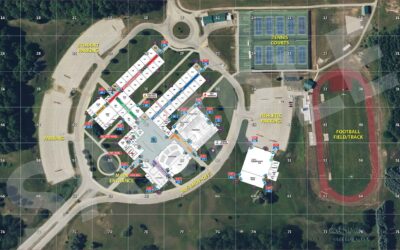
As we look to 2026, it’s important to have your priorities outlined when it comes to essential emergency preparedness. Valuable life-saving information could be at risk of becoming outdated by changing safety standards, regulatory expectations, and evolving building usage. From creating digital floor plans to supporting consistent training, Building Maps highlights the priorities so that your team can enter the new year with confident and accurate safety measures.
Tip #1: Modernize all building maps to reflect new layouts
When it comes to preparing for an emergency, even the smallest changes can create confusion. Office renovations, storage expansion, occupancy shifts, and new equipment may result in a need to update your existing maps. At Building Maps, we closely monitor regulations from federal organizations like NFPA and OSHA. These requirements support critical map elements such as:
- Primary and Secondary exit routes
- Location of safety equipment
- Assembly locations
- Emergency procedures
In recent years, many industries have been faced with major changes that impact the accuracy of their building maps. Keeping these maps current and accurate is our expertise. We help you craft compliant, accurate emergency action plans that provide clarity in the moments where it’s needed most.
Tip #2: Create multi-layer safety plans
It’s time to move beyond single-scenario planning. 2026 preparations shouldn’t be limited to just performing fire drills or visiting tornado safety zones. As a trusted partner and safety expert, Building Maps knows that facilities now juggle the need to address emergencies comprehensively. These multi-layer plans may include:
- Active threats or workplace violence
- Chemical hazards
- Environmental stressors
- Utility disruptions and power loss
Being prepared for emergencies provides clarity and cohesion during stressful situations. Building Maps helps you prepare for these situations by providing map-based support and monitoring reliable resources from federal regulators.
Tip #3: Strengthen employee training cycles
Whether it’s the first day on the job site, the first class in a new school, or orientation at the local clinic, employees, students, teachers, and healthcare providers should be aware of all safety regulations you have in place. A commitment to safety must be a priority for all members of an organization. Consider the following safety measures:
- Implement emergency training at orientation and when updates occur
- Conduct regular drills for fire, weather, and workplace violence
- Confirm all PA systems and emergency alert platforms are functional
- Ensure signage, building maps, and reference guides are properly placed
With our experience in providing valuable building map information, we know that accurate maps and high redundancy across communication systems make a meaningful difference in an emergency.
Tip #4: Evaluate compliance + regulatory shifts
Each industry must meet standards that keep their facilities compliant. Building Maps is a trusted resource when it comes to the evolution of regulations, codes, and training mandates. We track important changes coming from OSHA, NFPA, and other nationally recognized standards organizations to maintain effective, up-to-date building maps you can rely on in an emergency.
Tip #5: Partner with first responders and community agencies
In times of emergency, first responders are the most valuable assets. Help them better perform their duties by creating clear and effective building maps that consistently communicate paths to safety and valuable resources. Consider incorporating modern tools, like digital floor plans to ensure accuracy and better partnership with local emergency services.
Review, refresh, and reconnect
Risk evolves quietly throughout the year, but with an annual plan to keep your building maps and emergency resources up to date and up to code, you can easily stop any shifts from becoming gaps in safety. Building Maps provides thorough maintenance, audits, and code-compliant maps that keep your building aligned with current layouts.
Contact us today to ensure 2026 is your safest year yet.