
OUR Blog
We enjoy providing monthly insights to keep you safe in a disaster.

Fire Evacuation Maps: A Safety Plan for Every Building
Fire evacuation maps are critical safety features for any facility. An accurate, up-to-date fire exit map protects people and prevents liability in schools, manufacturing, healthcare, offices, and apartments and condos. But just as all buildings are not made the same,...
Critical Incident Maps: Essential, but not the Whole Story
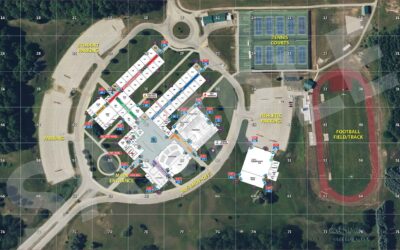
From the moment an emergency occurs, every second counts. In an effort to locate, understand, and manage critical incidents, first responders rely on accurate and consistent information presented in Critical Incident Maps. These tools, also known as CIMs, provide...

Top 5 Emergency Preparedness Priorities for 2026
As we look to 2026, it’s important to have your priorities outlined when it comes to essential emergency preparedness. Valuable life-saving information could be at risk of becoming outdated by changing safety standards, regulatory expectations, and evolving building...
How to Create a Building Floorplan
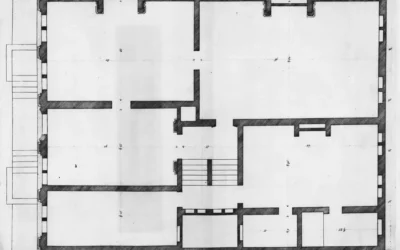
Building floorplans provide essential information about the design and layout of an area. For office floorplans, schools, hospitals, and multi-story residences, the amount of information captured in a buildling floorplan is extensive. Knowing what data to collect, how...

The Difference Between NFPA Codes and Standards
The National Fire Protection Association (NFPA) is a self-funded nonprofit organization devoted to eliminating death, injury, property, and economic loss due to fire, electrical, and related hazards. They develop codes and standards for buildings to contribute to the...

How to Map Emergency Asset Locations
When seconds count, you need your safety equipment to be easily located and available. Accurate emergency asset location is a critical part of safety planning.
The Importance of Updated Floor Plans
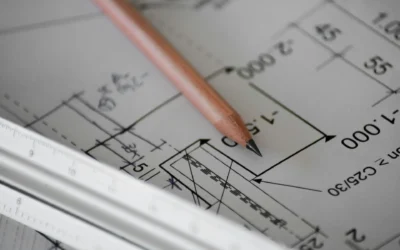
Building layout changes must be reflected in the floor plans used for safety maps, or you risk increased delays during an emergency when every second counts.

Manufacturing Evacuation Policy Checklist
Emergency Operations Plans (EOPs) for schools help keep students and staff safe by considering potential threats and how to mitigate them.

Emergency Operations Plans for Schools
Emergency Operations Plans (EOPs) for schools help keep students and staff safe by considering potential threats and how to mitigate them.

Assembly Areas Defined and Explained
Evacuation assembly areas are critical to a safe and organized egress in the event of an emergency that requires exiting a building.
