
by Tony Jones | Mar 17, 2025 | Building Maps
The Occupational Safety and Health Administration (OSHA) works to ensure safe and healthful working conditions for all by setting standards and providing training, outreach, education, and assistance. OSHA has created a set of required guidelines for organizations to...

by Tony Jones | Feb 13, 2025 | Building Maps
Every Emergency Action Plan (EAP) must account for a fire-related emergency, including evacuation protocols. While the plans must outline who is responsible for helping with an evacuation, they are not required to designate individuals to help fight the fire. The goal...
by Tony Jones | Jan 28, 2025 | Building Maps
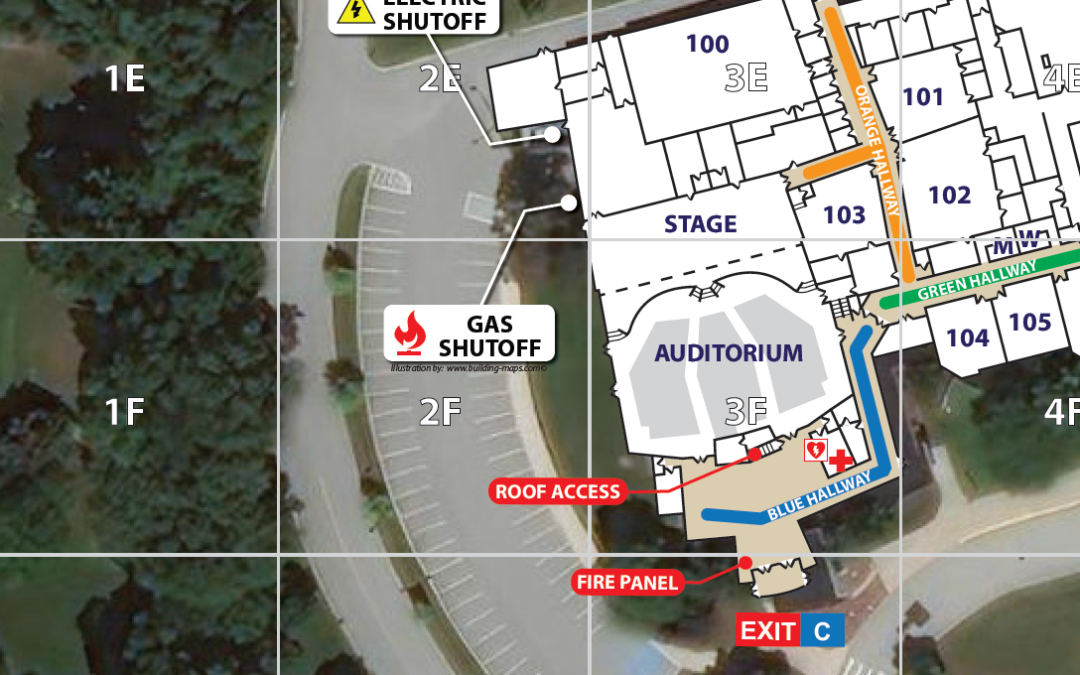
A growing number of states are implementing recommendations for critical incident maps in schools. This is in response to an increasing number of incidents, including natural disasters, in which time is a critical factor in saving lives. A critical incident map is a...
by Tony Jones | Dec 19, 2024 | Building Maps
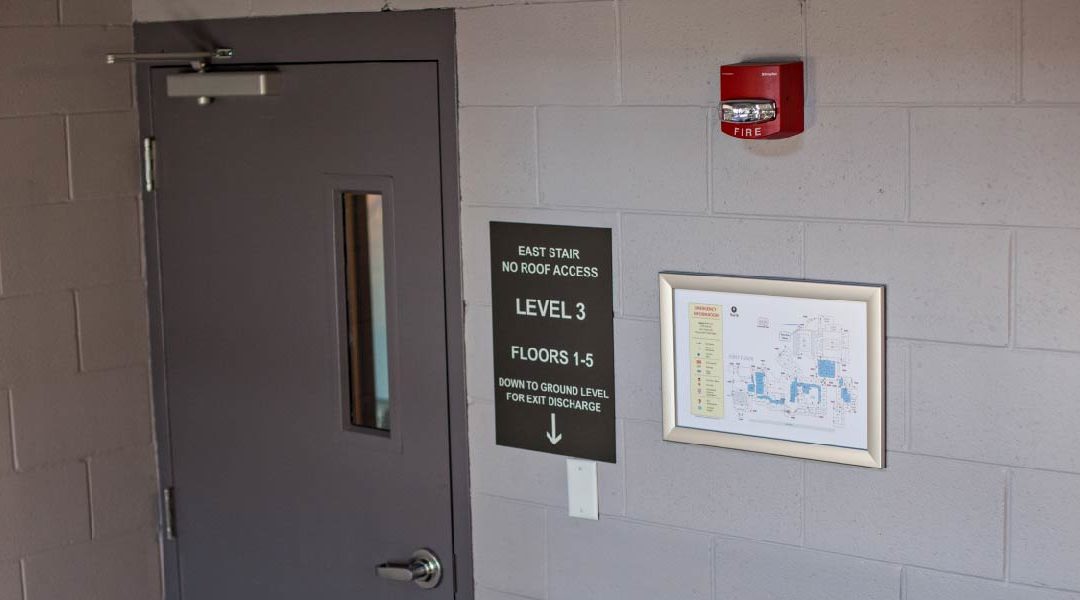
Adequately planning for building emergencies takes preparation—employers are expected to have an emergency action plan (EAP) for employees to follow, and oftentimes, an emergency evacuation map can be a crucial component of that plan. For an evacuation map to fully...

by Tony Jones | Nov 12, 2024 | Building Maps
There are many different disasters that can result in a situation where it is safer to remain inside a building than to risk going outside. From severe weather events to chemical contaminants in the air, a designated shelter-in-place area can provide valuable safety...


Recent Comments